

My Shopping Cart

Subtotal
${{total.toFixed(2)}}
QUOTE

Forest Education: Learning Outdoors at School!

Forest Schools flip traditional education on its head. Part of the alternative education movement, Forest Schools emphasise outdoor learning. It’s in the name! 

Educators are often rethinking their pedagogy and how to get the best learning outcomes for their kids. Woodland education bridges the gap between the modern classroom and ancient spaces for learning.

The proliferation of iPads, computers, and even books, has connected students to a world of information. But it has also taken the focus away the foundation of learning. Play—outdoors, in the dirt, away from the expectations of adults—had always been a key part of child development.

Forest Schools seek to bring that element back into modern education.

Many innovative schools have set up field trips to such spaces, introducing students to nature’s incredible learning opportunities. 


What is a Forest School?

It’s an education philosophy that believes in connecting students with nature.

While standard classrooms serve an important purpose in education, a new perspective can often help kids connect with aspects of learning they struggle with.

Many young girls and boys struggle sitting at a desk and filling out worksheets. Forest Schools embrace learning from a different angle.

The goal is to get kids moving and discovering new skills that won’t pick up in a typical classroom.


Students might build cubby houses, cook bush food, explore nature, learn about edible plants, engage in outdoor activities, and play games.

They develop their resilience, creativity, and teamwork.

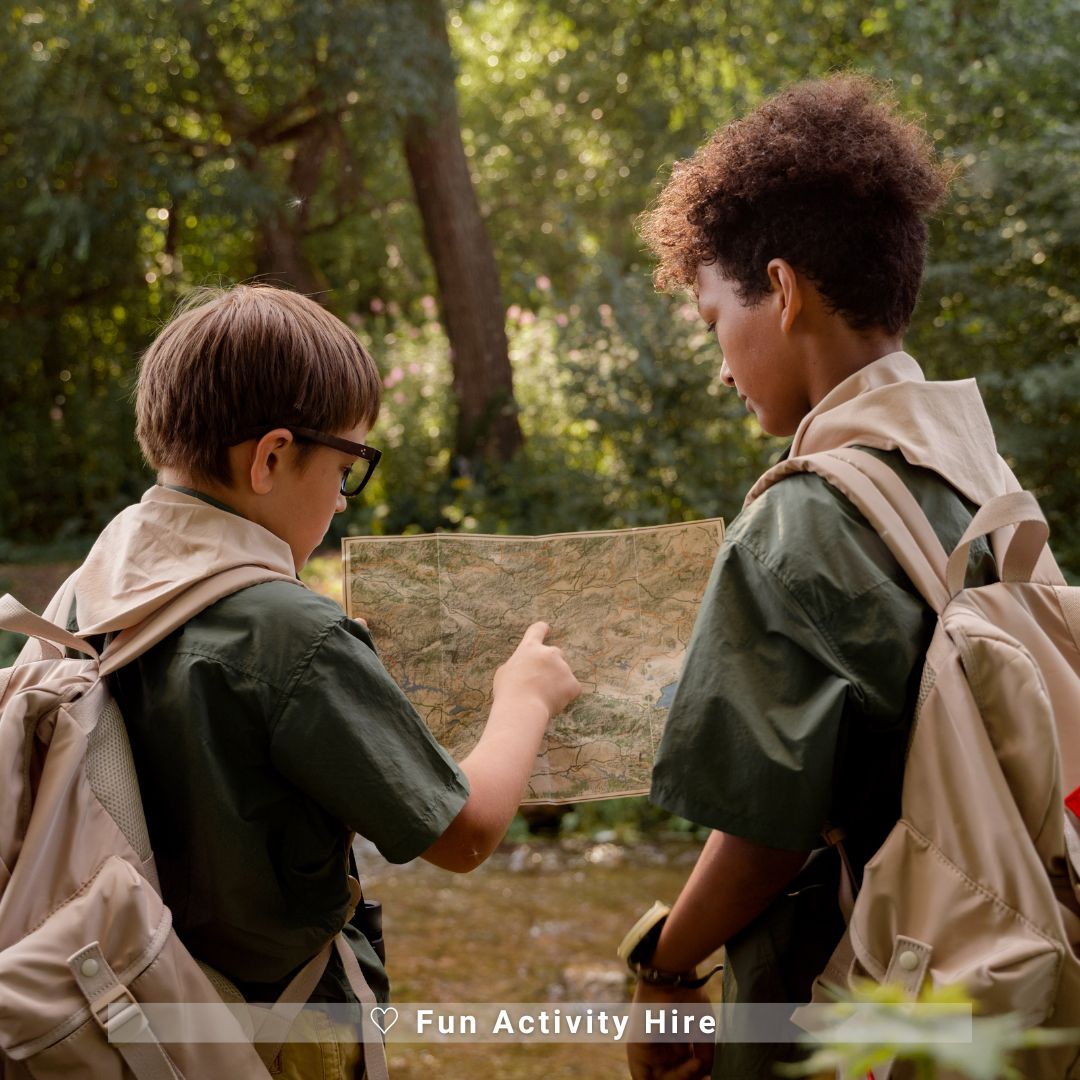
A typical day at a Forest School might feature typing knots, cooking damper over a fire, bushwalking, crafting quivers, whittling “magic” wand, or building a cubby house.


Key focuses of the Forest School:

Going off grid! Leave the iPads and laptops behind. In a Forest School, students learn hands on skills without the influence (and temptation) of smart devices.

✔ Hands-on learning. Trying out new experiences kids don’t typically get in modern education. It’s about giving kids a holistic education through play, exploration, and supported risk-taking.

✔ Free play. There is a strong emphasis on child-led learning at Forest Schools. The goal is to led children learn independently through nature and the tools provided. Educators act as observers and advisors, but not as organisers. The children dictate their own learning.


Thinking Out of the Box: Laser Tag

Most Forest Schools focus on ages 2 – 10. It works most effectively in Kindergarten and Prep because kids can leave typical classrooms for longer periods.

But that doesn’t mean outdoor education should end there.

In fact, keeping students regularly in contact with nature is vital to a holistic education.

To bridge that gap, educators need to think outside of the box.

They need to find activity that works for large groups, interests kids 10+, and doesn't subtract a large amount of time from the classroom.


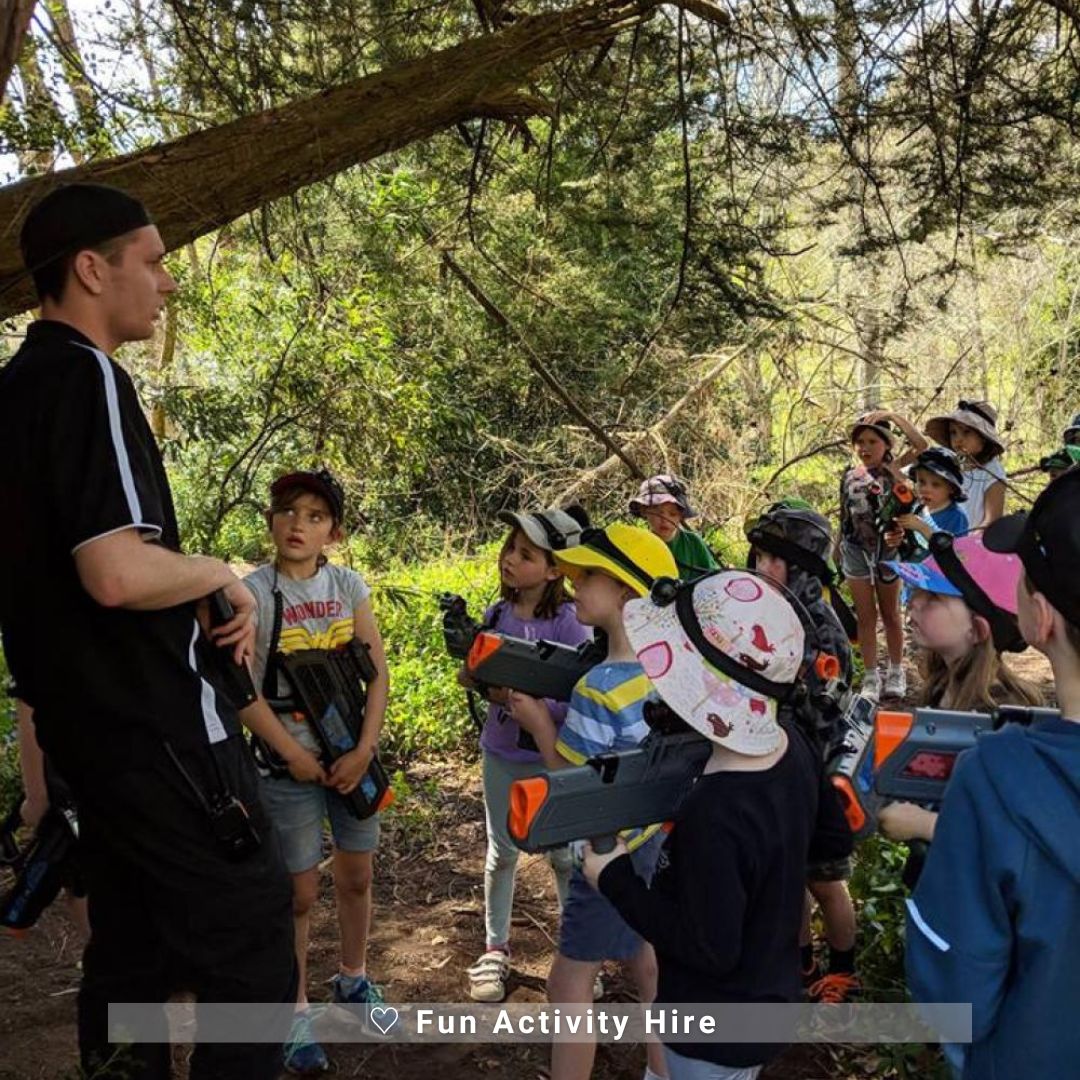
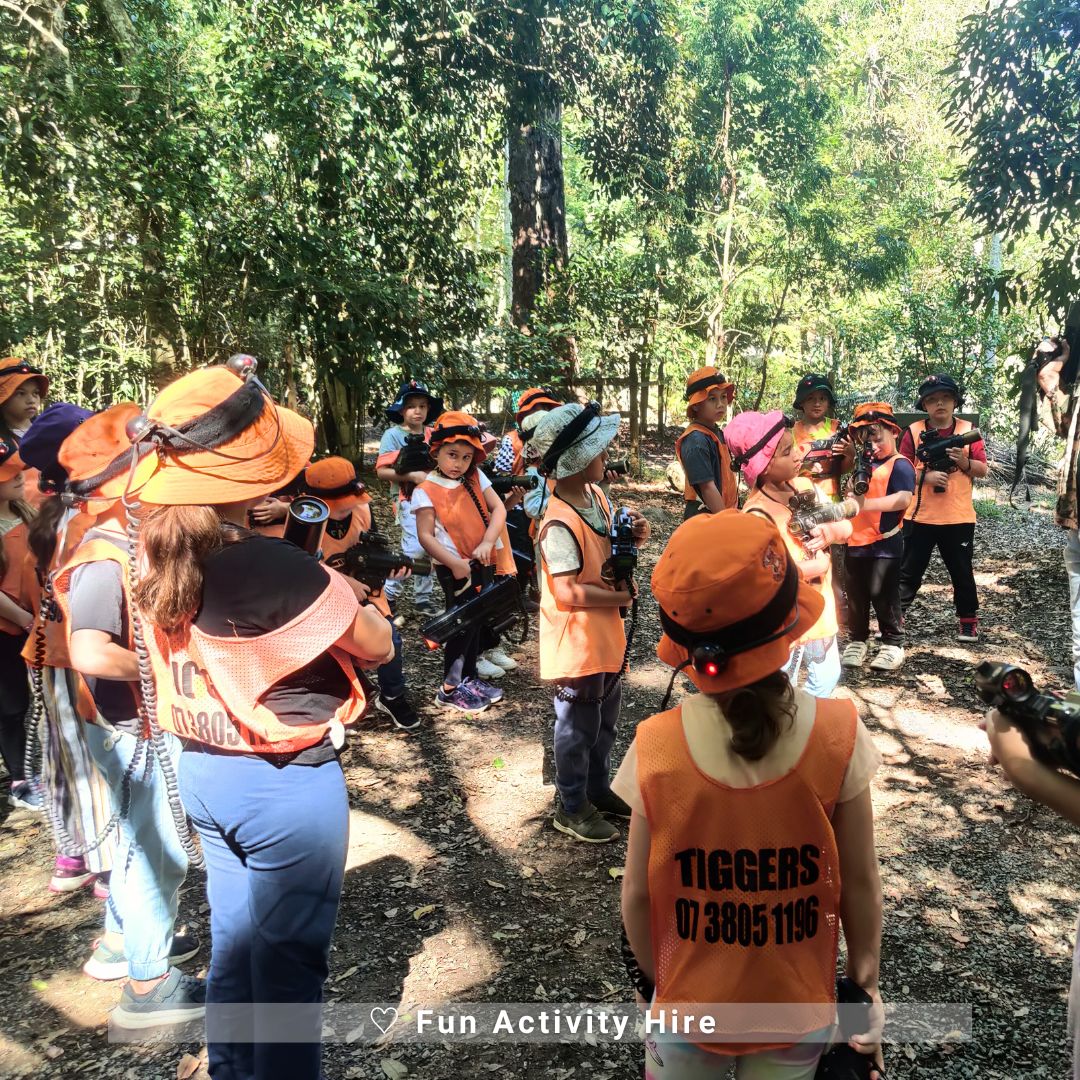
Suitable for primary school and high school students, Laser Tag is all three and it’s best played in the forest! In a woodland playing area, kids have the freedom to dart between trees and experience the bush with a new perspective.

Laser Tag aligns with the goals of a Forest Classroom and can be played anywhere! Kids practice teamwork, strategy, resilience – all without screens!

A Laser Tag activity provides the framework for kids to take risks and make choices. Each individual has an opportunity to chart their own path, test ideas, and collaborate with teammates.


All the while interacting with nature in a new, engaging way.

When kids are playing laser tag, the forest stops being a place to walk through. It becomes an arena full of hiding spots and trails. 

Laser Tag increases awareness of surroundings and pushes students to use all of their senses! Not just sight and hearing, but the students’ proprioception.

When kids leap over logs or duck behind a tree, they are improving their dexterity. 

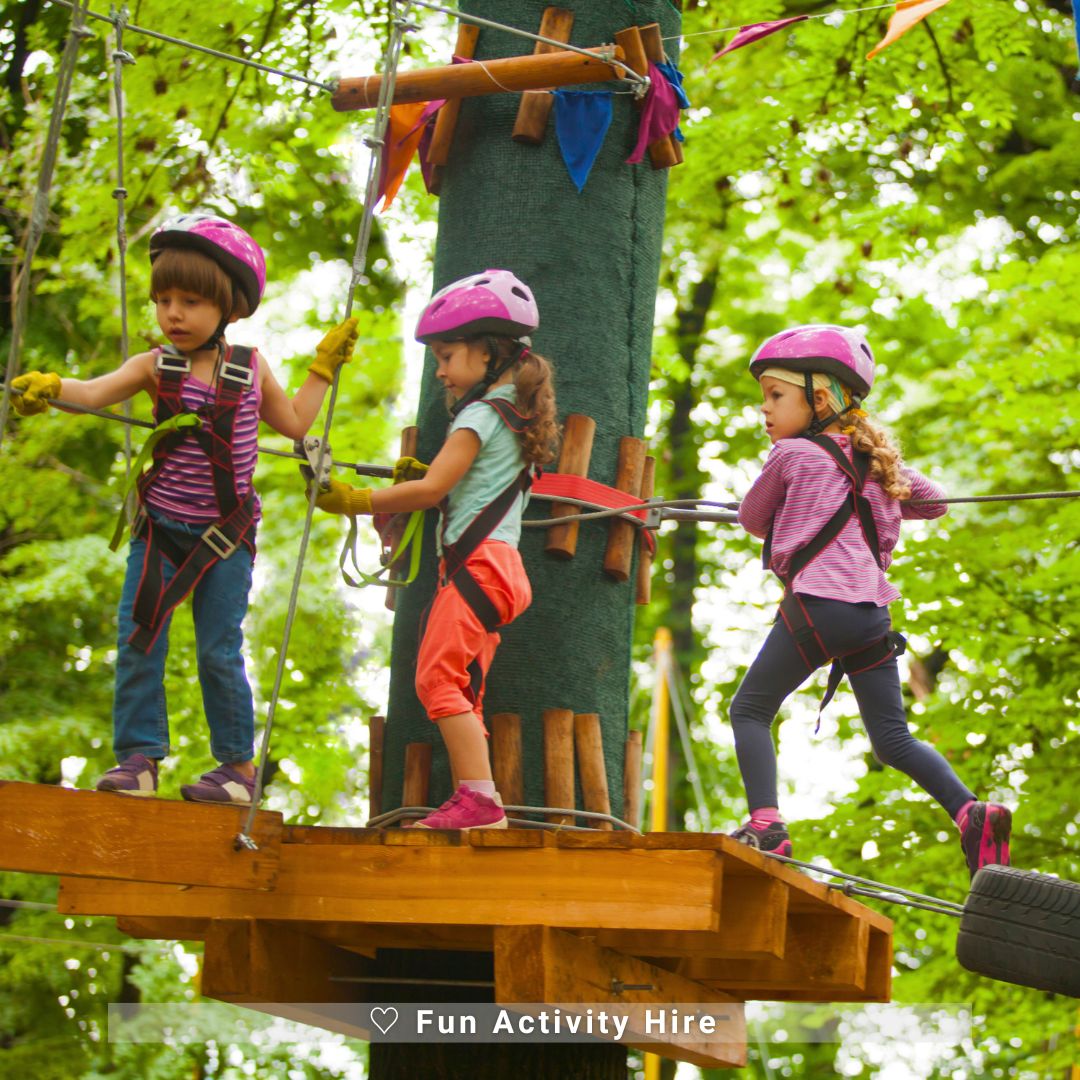
Laser Tag works well with other outdoor activities such as obstacles courses, hiking, gardening, kayaking, rock-climbing, orienteering, and mudslides.

But unlike most of those activities, Laser Tag is entirely mobile. Simply pull the taggers out of the box and get started!


Bringing the “Forest” to School

Many schools have long recognised the importance of outdoor play. Woodland spaces are often found on campus as well as school gardens.

Students learn by interacting with the space, digging holes to plant herbs or vegetables.

These long-term activities can give students a perspective on time and the benefits of ongoing effort. 

Combining the lessons from the Forest School into regular schools is a fantastic way to enrich the education of students. 

Laser Tag provides that gateway. Over the course of a designated day different groups of students can take to the woods with this activity.

Like with many Forest School activities, educators act as observers. Once the game begins, kids decide how best to achieve the goal of the game.

They have an opportunity to explore with friends or test their agility by diving into the game head on. 


©2026 All rights reserved

Powered By Battlefield Sports